Asphalt Milling & Removal in Huntsville, AL
Milling is the unglamorous prep work that makes a resurfacing job right. Grinding off the top layer of old asphalt — instead of just paving over it — fixes surface height against curbs and garages, removes the damaged top layer, restores the correct slope for drainage, and gives the new asphalt a clean surface to bond to. Skip it where it is needed and the overlay sits too high or bonds poorly and fails early.
Where a job calls for milling, Huntsville Asphalt & Paving mills or brings in milling across North Alabama as part of resurfacing and repair — removing the old surface cleanly so what goes on top sits right and lasts.
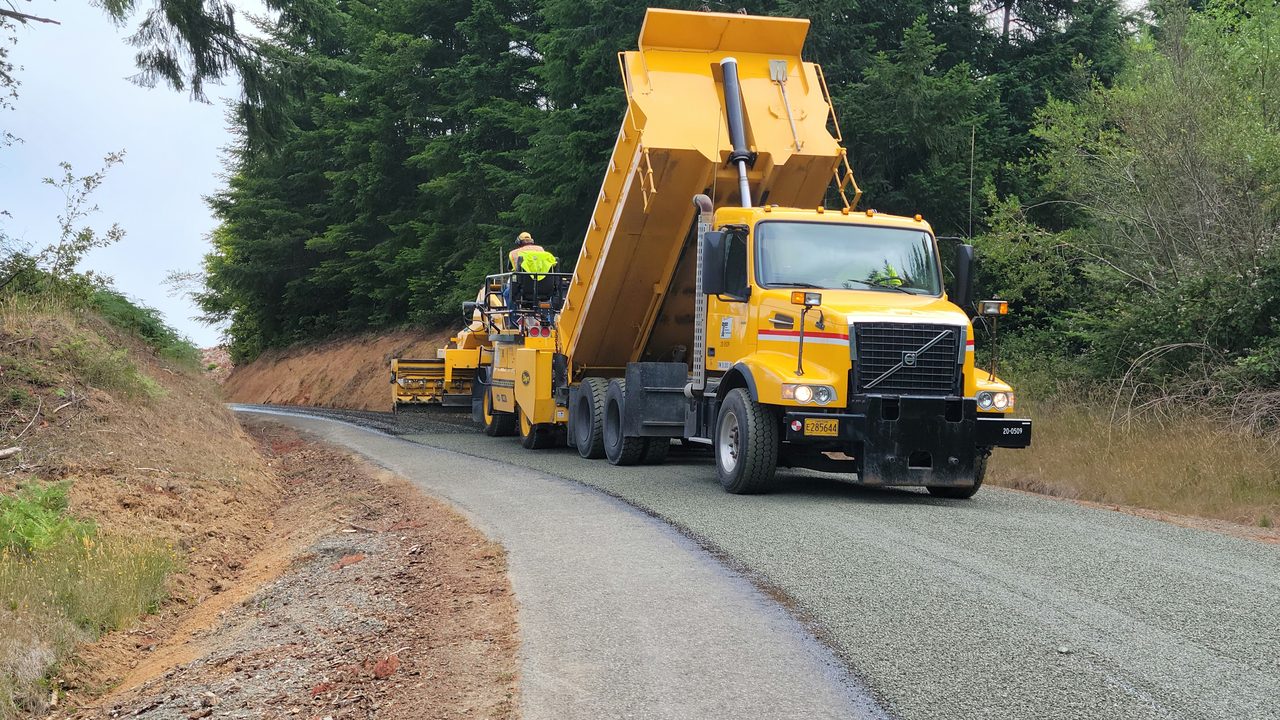
Why mill instead of just paving over
Paving over old asphalt without milling raises the surface every time, and after a cycle or two the driveway sits above the garage threshold, the curb disappears, and water that used to drain off now runs the wrong way. Milling removes the old top layer so the new surface goes back at the correct height, drainage is preserved, and the damaged, oxidized top asphalt is gone rather than trapped under the new layer. It is what keeps resurfacing sustainable over multiple cycles.
Fixing height, slope and transitions
Milling is precise. It can take a surface down evenly, or profile it to correct a bad slope, restore drainage, and create clean transitions where the new asphalt meets curbs, gutters, drains and driveway aprons. That control is why milling is standard on commercial resurfacing and increasingly on residential work — it fixes the geometry, not just the surface, so the finished job drains and meets its edges the way it should.
The milled asphalt gets reused
One of the reasons milling is cost-effective is that the ground-up asphalt — reclaimed asphalt pavement — is a recyclable material that gets reused in new asphalt or as a base aggregate. It does not just become waste. That makes milling both the technically right prep for a lasting overlay and a reasonably economical one, which is why it is worth doing where the job calls for it rather than paving over problems.
Asphalt Milling: common questions
What is asphalt milling?
Milling is grinding off the top layer of existing asphalt with a milling machine — to remove the damaged surface, fix the height and slope, restore drainage, and give new asphalt a clean surface to bond to. It’s the prep step that makes a resurfacing job sit right and last, rather than paving over problems.
Do I need milling before resurfacing?
Often, yes — especially where the surface has gotten too high against garages, curbs or thresholds, where the slope needs correcting for drainage, or where a clean bond is needed. Not every overlay requires full milling, but skipping it where it’s needed leaves the new surface too high or poorly bonded. We assess whether your job needs it.
How much does asphalt milling cost?
Paving contractors around Huntsville usually price milling as part of a resurfacing project, by the square foot and the depth removed, and going rates make it a modest addition that pays for itself in how much longer the overlay lasts. The milled material is recyclable, which helps keep the market cost reasonable. That’s how the work is typically priced in the area, not a set fee — we fold it into your resurfacing estimate in writing where the job needs it.
What happens to the old asphalt that’s milled off?
It becomes reclaimed asphalt pavement — a recyclable material reused in new asphalt mixes or as base aggregate, rather than going to waste. That’s part of what makes milling a sensible, economical prep step rather than an expensive one.